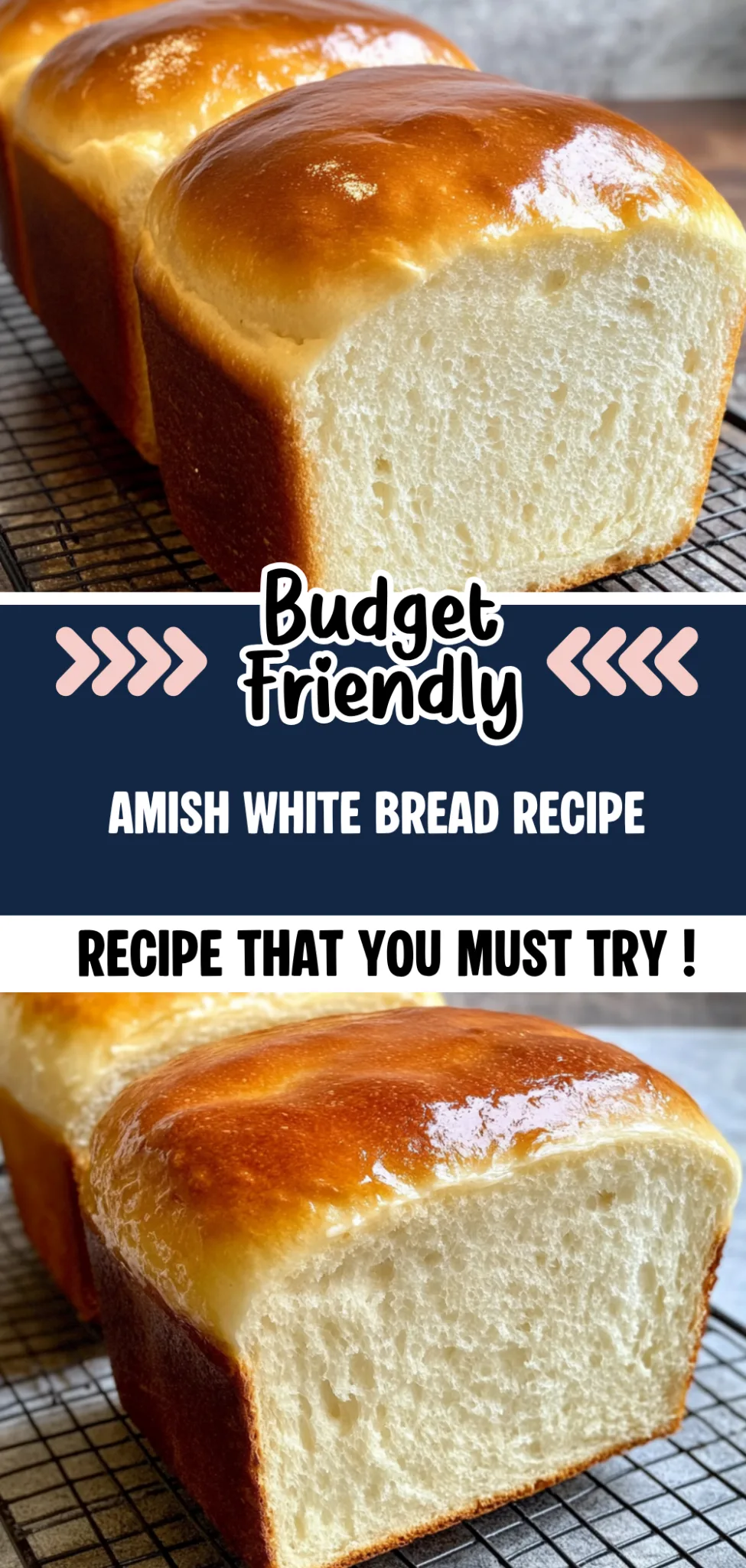
The aroma of freshly baked Amish White Bread wafts through the kitchen, enveloping you in a warm embrace that beckons for a slice. With its golden crust and pillowy interior, this bread is not just a staple; it’s the embodiment of comfort food, perfect for transforming simple weeknight dinners into something truly special or elevating leisurely weekend breakfasts.
What sets this Amish White Bread Recipe apart is its remarkably soft texture achieved through a careful kneading technique and the use of high-quality ingredients like unbleached flour and pure yeast. Whether enjoyed as toast topped with butter or crafted into hearty sandwiches filled with your favorite ingredients, this bread invites you to savor each bite and share moments of joy with loved ones.
Why You’ll Love This Amish White Bread Recipe
You’ll adore this Amish White Bread Recipe not just for its incredible softness, but also for the delightful aroma that fills your kitchen as it bakes to a golden perfection. The combination of all-purpose flour and just the right amount of granulated sugar creates a subtle sweetness that perfectly balances with the savory notes from the salt, resulting in a flavor profile that’s both comforting and satisfying. With its fluffy texture, this bread is ideal for sandwiches or simply toasted with a pat of butter, making it versatile enough to complement any meal. Trust me, once you experience the warmth and taste of this homemade delight, you’ll find yourself reaching for the mixing bowl time and again!
What Kind of All-Purpose Flour Should I Use?
For this Amish White Bread recipe, the best choice is a high-quality all-purpose flour. This type of flour has a balanced protein content, usually around 10-12%, which gives the bread its desirable structure while still allowing it to remain soft and fluffy. The gluten development from the all-purpose flour is crucial in creating that perfect texture, making it ideal for both sandwiches and toast. If you don’t have all-purpose flour on hand, you can substitute it with bread flour, which contains a higher protein level. Just be aware that using bread flour may yield a slightly chewier texture, so keep an eye on your dough as it rises and bakes to ensure optimal results.
Ingredients for the Amish White Bread Recipe
Each ingredient in this dish plays an essential role in flavor and texture. Here’s what you’ll need:
4 cups all-purpose flour (plus extra for dusting): Provides the structure and fluffy texture of the bread.
2 tablespoons granulated sugar: Enhances sweetness and helps with browning the crust.
1 tablespoon salt: Balances flavors and strengthens the dough’s structure.
1 packet active dry yeast (or 2 1/4 teaspoons): Acts as a leavening agent, helping the bread rise.
1.5 cups warm water (about 110°F): Activates the yeast and hydrates the flour for a perfect dough.
2 tablespoons vegetable oil: Adds moisture and tenderness to the final loaf.
How To Make the Amish White Bread Recipe
Activate the Yeast
In a large mixing bowl, combine the warm water, granulated sugar, and active dry yeast. Allow this mixture to sit for about 5 minutes until it becomes frothy, indicating that the yeast is activated and ready to work its magic in your dough.
Mix in Oil and Salt
Once the yeast is frothy, add the vegetable oil and salt to the mixture. Stir gently to combine these ingredients well, ensuring that the salt dissolves completely into the liquid for even flavor distribution.
Incorporate the Flour
Gradually begin adding the all-purpose flour, one cup at a time, using a wooden spoon to mix until a dough starts to form. This method allows you to control the texture, so stop when the dough pulls away from the sides of the bowl but remains slightly sticky.
Knead the Dough
Turn the dough out onto a floured surface and knead it for about 8-10 minutes until it becomes smooth and elastic. You’ll know it’s ready when you can stretch a small piece without it tearing easily; this indicates that gluten has developed properly.
First Rise
Place your kneaded dough into a greased bowl and cover it with a kitchen towel. Let it rise in a warm place for about 1 hour or until it has doubled in size—this should feel soft and pillowy when you poke it gently.
Punch Down and Turn Out
After the first rise, punch down the risen dough to release any trapped air bubbles. Then, turn it out onto a floured surface, where you will prepare it for shaping into a loaf.
Shape into Loaf
Shape your dough into a loaf by folding and rolling it gently before placing it into a greased loaf pan. Ensure that it’s snugly fit but not overly tight; this will help achieve an even rise during the next stage.
Second Rise
Cover the shaped loaf with a towel again and let it rise for about 30 minutes. During this time, look for the dough to expand noticeably—it’s important for achieving that perfect fluffy texture once baked.
Preheat Oven
While your loaf rises, preheat your oven to 350°F (175°C). This ensures that your bread will start baking immediately once it’s ready, promoting an even golden crust as it bakes.
Bake Until Golden Brown
Carefully place your loaf in the preheated oven and bake for 30 minutes or until it’s golden brown on top and sounds hollow when tapped on the bottom. This auditory cue is crucial—it tells you that your bread is fully cooked inside as well as out.
Cool Before Slicing
Remove your loaf from the oven and allow it to cool in the pan for about 10 minutes. After that, transfer it to a wire rack to cool completely before slicing; this step helps maintain its soft texture and prevents sogginess from steam buildup.
How to Serve and Store Amish White Bread Recipe
This Amish White Bread recipe yields 4 delicious loaves, perfect for sharing at breakfast or lunch. Serve it warm with a pat of butter and a drizzle of honey, or use it as the base for scrumptious sandwiches stacked with your favorite deli meats and fresh veggies. For a cozy treat, toast thick slices and top them with homemade jam or peanut butter for a satisfying snack that the whole family will love.
To store any leftovers, wrap the bread tightly in plastic wrap or place it in an airtight container, where it will stay fresh in the fridge for up to a week. When reheating, slice the bread and lightly toast it in a skillet over low heat; this method brings back its fluffy texture without drying it out. While this bread can be frozen, keep in mind that its texture may change slightly upon thawing, so it’s best enjoyed fresh whenever possible.
What to Serve With Amish White Bread Recipe
Creamy Tomato Soup
This velvety soup is a comforting choice that beautifully enhances the soft texture of the bread, perfect for dipping.
Garlic Roasted Potatoes
Crispy on the outside and tender on the inside, these garlicky potatoes provide a hearty contrast to the fluffy white bread.
Caprese Salad
The refreshing combination of juicy tomatoes, creamy mozzarella, and fragrant basil complements the bread’s subtle sweetness.
Grilled Cheese Sandwich
A classic pairing, melted cheese between two slices of Amish white bread creates a delightful marriage of textures and flavors.
Honey Glazed Carrots
Sweet and tender, these carrots bring a touch of natural sweetness that harmonizes with the bread’s slight sugar notes.
Spinach and Feta Stuffed Peppers
These savory stuffed peppers offer a burst of flavor that contrasts wonderfully with the mildness of the white bread.
Frequently Asked Questions
Can I use bread flour instead of all-purpose flour?
Yes, you can use bread flour instead of all-purpose flour for a slightly different texture. Bread flour has a higher protein content, which will give your Amish White Bread an even chewier and denser crumb.
Is this recipe suitable for a dairy-free diet?
Absolutely! This Amish White Bread recipe is naturally dairy-free since it only requires vegetable oil instead of butter or milk. You can enjoy this fluffy bread without any dairy concerns.
Can I freeze the bread after baking?
Yes, you can freeze the baked bread to enjoy later. Make sure the bread is completely cooled before wrapping it tightly in plastic wrap and then aluminum foil, which will help prevent freezer burn.
How do I know when the bread is done baking?
The bread is done when it turns golden brown and sounds hollow when tapped on the bottom. If you’re unsure, use an instant-read thermometer; it should register around 190°F (88°C) in the center when fully baked.
Can I add herbs or spices to this recipe for extra flavor?
Definitely! Feel free to incorporate herbs like rosemary or thyme, or spices like garlic powder into the dough during mixing. These additions can elevate the flavor profile of your Amish White Bread beautifully.
Conclusion
There’s nothing quite like the comfort of homemade bread, and this Amish White Bread Recipe delivers a soft, fluffy texture that’s perfect for sandwiches or a warm slice of toast. If you enjoyed this, you might also love trying out some delightful pairings like [Classic Grilled Cheese Sandwich] or [Homemade Strawberry Jam]. We’d love for you to save this recipe on Pinterest and share your baking adventures with us in the comments!


Leave a Comment