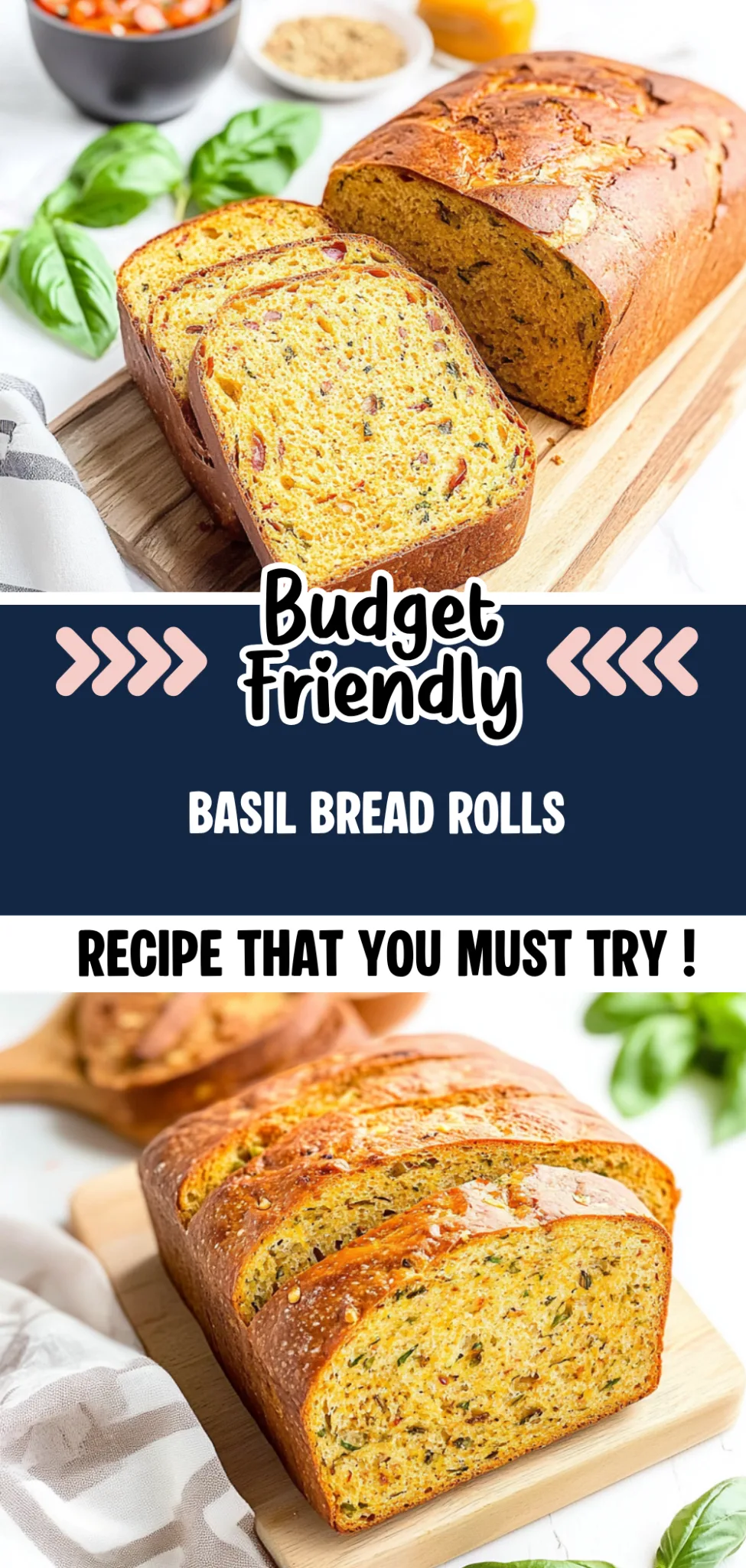
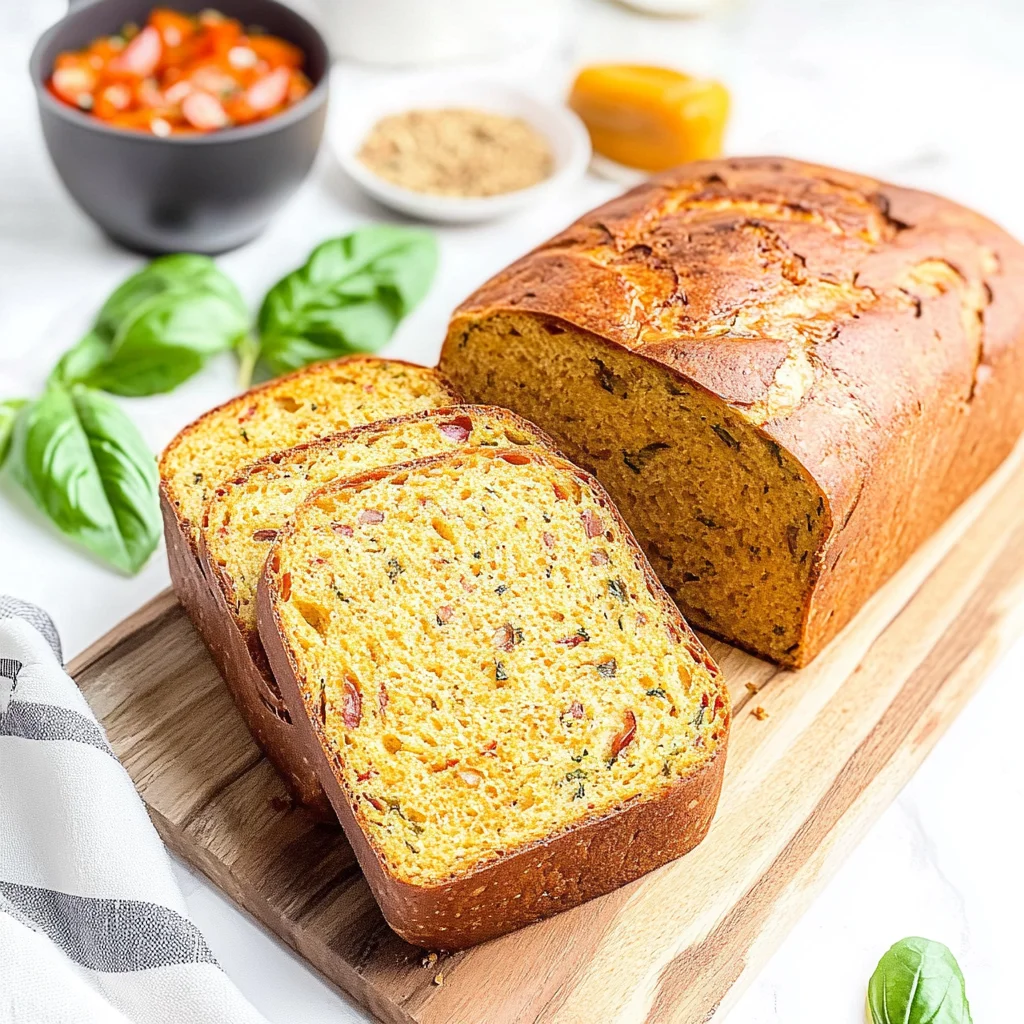
The moment you pull a loaf of Basil Bread from the oven, the air fills with an intoxicating aroma that melds the herbaceous notes of fresh basil with the warm, yeasty scent of freshly baked bread. Its golden crust gives way to a soft, pillowy interior that invites you to take a bite, making it a perfect companion for weeknight dinners or an elegant addition to any gourmet gathering at home.
What truly sets this Basil Bread apart is its vibrant infusion of fragrant basil leaves, which not only elevates the flavor profile but also adds a stunning green hue that is as pleasing to the eye as it is to the palate. Whether enjoyed as a hearty sandwich base or served alongside a steaming bowl of soup, this bread is sure to bring warmth and joy to your table. Embrace the delightful experience of baking and savor each slice as you share it with loved ones.
Why You’ll Love This Basil Bread
This Basil Bread is an exceptional culinary delight that perfectly marries the earthy aroma of fresh basil with a soft, airy texture that’s hard to resist. The combination of all-purpose flour and warm water creates a beautifully chewy crust, while the olive oil adds richness that elevates every bite. As you slice into this fragrant loaf, the vibrant green flecks of basil peek through, inviting you to savor its herbaceous flavor profile—ideal for sandwiches or simply enjoyed warm with a drizzle of olive oil. Trust me, once you experience the irresistible taste and aroma wafting through your kitchen, you’ll find yourself wanting to bake this delicious bread time and time again!
What Kind of Flour Should I Use?
For this Basil Bread recipe, all-purpose flour is the best choice. It strikes the perfect balance between strength and tenderness, allowing the bread to rise well while still achieving a soft, chewy texture that complements the fresh basil flavor beautifully. All-purpose flour has just the right protein content to create a light, airy crumb without being too dense. If you only have bread flour on hand, you can use it as a substitute; just be aware that it may result in a slightly chewier texture due to its higher protein content. In that case, consider adding a touch more water to keep the dough from becoming too stiff.
Ingredients for the Basil Bread
Each ingredient in this dish plays an essential role in flavor and texture. Here’s what you’ll need:
3 cups all-purpose flour (plus extra for dusting): Forms the structure of the bread, providing a light and airy texture.
1 cup warm water (about 110°F): Activates the yeast and helps to blend the ingredients smoothly.
2 teaspoons active dry yeast (or instant yeast): Responsible for leavening, creating a delightful rise in the bread.
1 teaspoon sugar (to activate yeast): Fuels the yeast, enhancing fermentation for a better rise and flavor.
1 teaspoon salt (to taste): Balances flavors while strengthening the dough’s structure.
1/4 cup olive oil (extra virgin): Adds moisture and richness, contributing to a tender crumb.
- 1/2 cup fresh basil leaves (chopped): Infuses the bread with aromatic flavor, making each bite fragrant and fresh.
Step-by-Step: How to Make Basil Bread
Activate the Yeast
In a mixing bowl, combine 1 cup of warm water, 1 teaspoon of sugar, and 2 teaspoons of yeast. Allow this mixture to sit for about 5 minutes until it becomes frothy. This step is crucial as it activates the yeast, ensuring your bread rises properly.
Mix the Dough
Once the yeast is frothy, add 3 cups of all-purpose flour, 1 teaspoon of salt, 1/4 cup of olive oil, and 1/2 cup of chopped fresh basil to the bowl. Mix these ingredients until they come together to form a cohesive dough. You want a slightly sticky texture at this stage; if it’s too wet, sprinkle in a bit more flour.
Knead the Dough
Transfer the dough onto a floured surface and knead it for about 10 minutes. The goal here is to develop gluten, which gives the bread its structure. The dough should become smooth and elastic; you can test its readiness by gently stretching it—if it holds together without tearing, you’re good to go.
First Rise
Place the kneaded dough into a greased bowl and cover it with a kitchen towel. Let it rise in a warm place for approximately 1 hour or until it has doubled in size. A good visual cue is when the dough has expanded significantly and looks puffy.
Shape the Loaf
After the first rise, punch down the risen dough to release any trapped air bubbles. Shape it into a loaf and place it in a greased loaf pan. Make sure it’s evenly positioned in the pan for an even bake.
Second Rise
Cover the shaped loaf again and let it rise for another 30 minutes. This second rise allows for additional flavor development and will make your bread lighter and airier once baked.
Preheat the Oven
While your dough is rising for the final time, preheat your oven to 375°F (190°C). This ensures that when your bread is ready to bake, your oven is hot enough to create that beautifully crusty exterior.
Bake the Bread
Place your loaf in the preheated oven and bake for 25-30 minutes. The bread is done when it’s golden brown on top and sounds hollow when tapped on the bottom. Keep an eye on it towards the end of baking to prevent over-browning; you want that perfect golden hue.
Cool Before Slicing
Once baked, remove the bread from the oven and let it cool on a wire rack before slicing. This cooling period allows steam to escape, ensuring that your slices are not gummy but rather perfectly tender and flavorful.
How to Serve and Store Basil Bread
This Basil Bread recipe yields four generous servings, making it ideal for sharing. For a delightful meal, try slicing the bread and serving it alongside a fresh Caprese salad, where the basil in the bread beautifully complements the basil in the dish. Alternatively, use it as a base for hearty sandwiches filled with roasted vegetables or turkey, allowing the bread’s fragrant flavor to elevate your lunch experience.
To store leftovers, wrap the bread tightly in plastic wrap or place it in an airtight container, where it will keep well in the refrigerator for up to three days. When you’re ready to enjoy it again, reheat slices in a toaster or on a baking sheet at 350°F for about 5-10 minutes—this will restore its crusty exterior without compromising its soft interior. While Basil Bread is best enjoyed fresh, you can freeze it for up to three months; just be aware that thawing may slightly alter its texture.
What to Serve With Basil Bread
Caprese Salad
The fresh mozzarella and ripe tomatoes, drizzled with balsamic reduction, provide a refreshing contrast to the herby notes in the basil bread.
Grilled Chicken
Juicy and marinated grilled chicken complements the aromatic basil flavors while adding a savory protein punch.
Roasted Garlic Potatoes
Crispy on the outside and fluffy inside, these roasted garlic potatoes enhance your meal with a delightful crunch and rich flavor.
Spinach and Strawberry Salad
This vibrant salad offers a sweet and tangy burst that perfectly balances the savory taste of basil bread.
Pesto Pasta
Creamy pesto pasta mirrors the herbaceous quality of the basil bread, creating a harmonious dish that’s packed with flavor.
Bruschetta
Topped with diced tomatoes and basil, this classic Italian appetizer shares similar ingredients that elevate the overall dining experience.
Can I use whole wheat flour instead of all-purpose flour? Whole wheat flour can be used, but it will result in a denser bread. You may want to combine it with all-purpose flour for a lighter texture or adjust the liquid slightly to ensure the dough has the right consistency.
Is this basil bread recipe gluten-free? Unfortunately, this recipe is not gluten-free as it contains all-purpose flour. However, you can substitute with a gluten-free flour blend, keeping in mind that the texture and rise may vary.
Can I make this bread ahead of time and freeze it? Yes, you can freeze this basil bread after baking. Once cooled, wrap it tightly in plastic wrap and then in aluminum foil before placing it in the freezer. Thaw at room temperature when ready to enjoy.
How do I know when my basil bread is done baking? The bread is done when it is golden brown and sounds hollow when tapped on the bottom. If you have an instant-read thermometer, it should read about 190°F (88°C) when fully cooked.
Can I add other herbs or spices to this recipe? Absolutely! Feel free to experiment by adding herbs like oregano or thyme for extra flavor. Just keep in mind that strong spices might overpower the fresh basil, so use them sparingly.
One Last Thing
Basil Bread is not just a delightful addition to your meals; its fragrant and flavorful infusion of fresh basil makes it an impressive and comforting choice for any occasion. Don’t forget to explore other delicious recipes like [Tomato Basil Bruschetta] or [Pesto Chicken Salad] that pair beautifully with this bread. We’d love for you to share your Basil Bread experience with us—save the recipe on Pinterest and let us know how it turned out in the comments!
Basil Bread
Ingredients
Method
- In a mixing bowl, combine warm water, sugar, and yeast. Let it sit for 5 minutes until frothy.
- Add flour, salt, olive oil, and chopped basil to the yeast mixture. Mix until a dough forms.
- Knead the dough on a floured surface for about 10 minutes until smooth and elastic.
- Place the dough in a greased bowl, cover with a kitchen towel, and let it rise in a warm place for 1 hour or until doubled in size.
- Punch down the risen dough and shape it into a loaf. Place it in a greased loaf pan.
- Cover and let it rise again for 30 minutes.
- Preheat the oven to 375°F (190°C).
- Bake the bread for 25-30 minutes or until golden brown and sounds hollow when tapped.
- Remove from the oven and let cool on a wire rack before slicing.


Leave a Comment