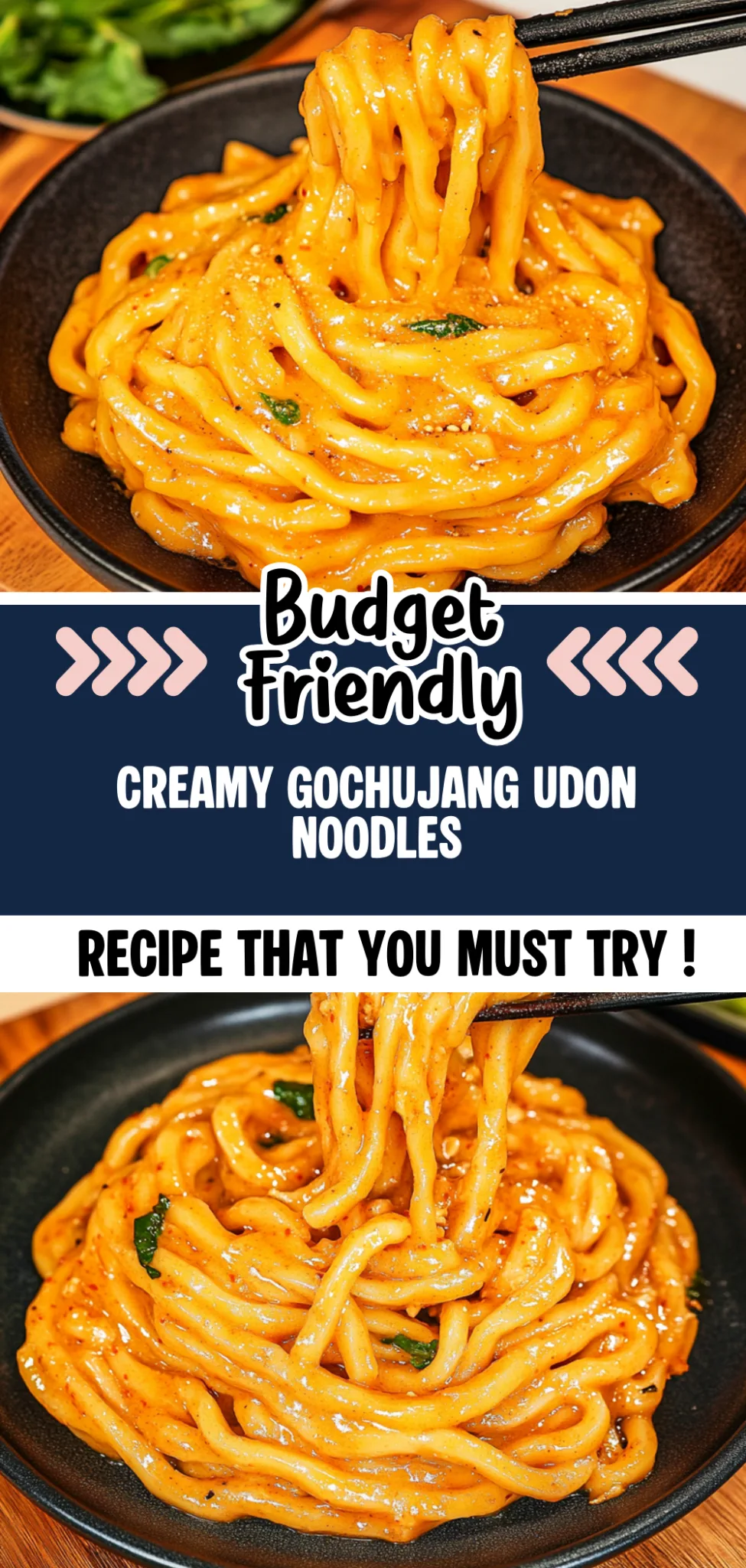
Imagine a steaming bowl of Creamy Gochujang Udon Noodles, where the silky strands of udon beckon with their inviting sheen, enveloped in a luscious sauce that balances creamy richness with a tantalizing kick of spice. The aroma wafts through the air, promising warmth and comfort, making it the perfect antidote to a hectic weeknight or a cozy dinner in.
What sets this dish apart is the bold infusion of gochujang, a traditional Korean chili paste that elevates each bite with its deep umami flavor and vibrant color. Paired with fresh vegetables and perhaps a sprinkle of sesame seeds for added texture, these noodles transform an ordinary meal into a gourmet experience at home. Dive into this delightful creation and savor the harmony of flavors that will leave you craving more.
Why You’ll Love This Creamy Gochujang Udon Noodles
You’ll fall head over heels for these Creamy Gochujang Udon Noodles, thanks to their incredible texture and vibrant flavors that dance on your palate. The thick, chewy udon noodles provide a hearty base that perfectly complements the rich creaminess of full-fat coconut milk, while the gochujang adds a delightful kick that makes each bite exciting. With the freshness of spinach, bell peppers, and carrots, this dish not only looks appealing with its colorful presentation but also bursts with a symphony of taste and aroma that’s simply irresistible. Trust me, once you try this quick weeknight meal, you’ll be craving it on repeat!
What Kind of Udon Noodles Should I Use?
For this Creamy Gochujang Udon Noodles recipe, the best choice is fresh udon noodles. Fresh udon noodles have a delightful chewy texture that pairs perfectly with the creamy sauce, allowing them to absorb the flavors beautifully while maintaining their structure during cooking. Additionally, the moisture content in fresh noodles helps create a luscious mouthfeel that enhances the overall dish. If you can only find frozen udon noodles, don’t worry! Just follow the package instructions for cooking; they might require a slightly longer boiling time, but they will still yield a satisfying result.
Ingredients for the Creamy Gochujang Udon Noodles
Each ingredient in this dish plays an essential role in flavor and texture. Here’s what you’ll need:
12 oz udon noodles (fresh or frozen): These provide a chewy texture that perfectly absorbs the sauce.
3 tbsp gochujang (Korean chili paste): Adds a rich, spicy depth that elevates the dish.
1 cup coconut milk (full-fat for creaminess): Brings a luxurious creaminess that balances the heat.
2 tbsp soy sauce (low sodium preferred): Enhances umami flavor while keeping the dish savory.
1 tbsp sesame oil (for flavor): Introduces a nutty aroma that complements the other ingredients.
1 tbsp rice vinegar (for acidity): Brightens the overall flavor profile with a touch of tanginess.
1 cup spinach (fresh): Adds vibrant color and a fresh, leafy texture to the dish.
1 cup bell pepper (sliced): Contributes sweetness and crunch, making each bite delightful.
1 cup carrots (julienned): Provides natural sweetness and a satisfying crispness.
2 cloves garlic (minced): Infuses the dish with aromatic warmth and depth of flavor.
1 inch ginger (grated): Offers a zesty kick that enhances the overall taste experience.
2 tbsp green onions (sliced): Gives a fresh, mild onion flavor as a bright finishing touch.
- 1 tbsp sesame seeds (toasted): Adds a crunchy texture and nutty finish to the dish.
How To Make the Creamy Gochujang Udon Noodles
Cook the Noodles
Bring a large pot of salted water to a boil over high heat. Once boiling, add 12 oz of udon noodles, either fresh or frozen, and cook according to the package instructions until they are al dente, which will take about 8-10 minutes. Once cooked, drain the noodles in a colander and set them aside to prevent them from sticking together.
Prepare the Sauce
In a medium bowl, whisk together 3 tablespoons of gochujang, 1 cup of full-fat coconut milk, 2 tablespoons of low sodium soy sauce, 1 tablespoon of sesame oil, and 1 tablespoon of rice vinegar until the mixture is smooth and well combined. This creamy sauce will provide a rich base for your udon noodles, so make sure there are no lumps remaining.
Sauté the Vegetables
Heat a splash of oil in a skillet over medium heat. Add 2 minced cloves of garlic and 1 inch of grated ginger to the skillet, sautéing them for about 1 minute until they become fragrant. Next, add 1 cup each of sliced bell pepper and julienned carrots along with 1 cup of fresh spinach. Cook these vegetables until they are tender but still vibrant in color, which should take around 5 minutes.
Combine Everything
Add the drained udon noodles to the skillet with the sautéed vegetables. Pour the prepared sauce over the noodles and gently toss everything together using tongs or a spatula until well combined. Heat through for about 2-3 minutes until everything is evenly coated and warmed, ensuring that the sauce is slightly thickened and clings beautifully to the noodles.
Serve
Divide the creamy gochujang udon noodles into bowls for serving. Garnish each bowl with sliced green onions and toasted sesame seeds to enhance both flavor and presentation. Enjoy your dish while it’s warm for maximum creaminess!
How to Serve and Store Creamy Gochujang Udon Noodles
This recipe yields 4 servings of creamy gochujang udon noodles, perfect for a cozy weeknight dinner. Serve it in deep bowls garnished with sliced green onions and toasted sesame seeds for an inviting presentation. Pair the dish with a side of steamed edamame or crispy tempura vegetables to complement the rich flavors, while some crusty bread can soak up any leftover sauce.
To store leftovers, transfer them to an airtight container and keep them in the fridge for up to 3 days. When reheating, add a splash of vegetable broth or water to the noodles to maintain their creamy texture, and gently warm them on low heat to avoid boiling the sauce. While this dish is best enjoyed fresh, it does not freeze well as the creaminess may separate upon thawing.
Steamed Jasmine Rice
Light and fragrant, steamed jasmine rice provides a perfect canvas to absorb the creamy gochujang sauce, enhancing the overall dish experience.
Roasted Brussels Sprouts
The caramelized sweetness and crispy texture of roasted Brussels sprouts create a delightful contrast to the rich and spicy udon noodles.
Garlic Naan
Soft and chewy garlic naan is ideal for scooping up the deliciously creamy sauce, adding an aromatic touch that complements the meal beautifully.
Cucumber Salad
A refreshing cucumber salad with a tangy dressing offers a crisp bite that balances the heat of the gochujang while adding brightness to each bite.
Mashed Sweet Potatoes
Creamy mashed sweet potatoes bring a hint of natural sweetness that harmonizes with the spiciness of the udon, creating a comforting side dish.
Kimchi
The bold, fermented flavors of kimchi provide an exciting zing that pairs perfectly with the richness of creamy gochujang udon noodles, elevating your dining experience.
Frequently Asked Questions
Can I use a different type of noodle instead of udon?
Yes, you can substitute udon noodles with other types of noodles like soba, rice noodles, or even spaghetti in a pinch. Just be sure to adjust the cooking time according to the package instructions for the specific noodle you choose.
Is this recipe suitable for a gluten-free diet?
To make this dish gluten-free, use gluten-free udon noodles and ensure your soy sauce is labeled as gluten-free. The gochujang may also contain gluten, so look for a certified gluten-free version if necessary.
Can I make this dish ahead of time and freeze it?
Yes, you can prepare the creamy gochujang udon noodles in advance and freeze them. However, it’s best to store the sauce and vegetables separately from the noodles to maintain their texture. When ready to eat, simply thaw and reheat everything together.
How do I know when the vegetables are cooked properly?
The vegetables should be tender yet still have a bit of crunch for optimal texture; this usually takes about 5 minutes of sautéing. Keep an eye on them during cooking to avoid overcooking.
Can I adjust the spice level of this recipe?
Absolutely! If you prefer a milder dish, reduce the amount of gochujang or mix in some coconut milk to balance out the heat. Conversely, if you like it spicier, consider adding extra gochujang or a sprinkle of red pepper flakes when serving.
One Last Thing
Creamy Gochujang Udon Noodles is not just a meal; it’s a delightful fusion of flavors that brings warmth and comfort to your dinner table, all while being incredibly easy to whip up on a busy weeknight. If you love this dish, be sure to check out other enticing recipes like [Spicy Kimchi Fried Rice] or [Sesame Garlic Ramen] that are perfect for satisfying those cravings. We’d love for you to save this recipe on Pinterest and share your delicious creations with us in the comments!


Leave a Comment