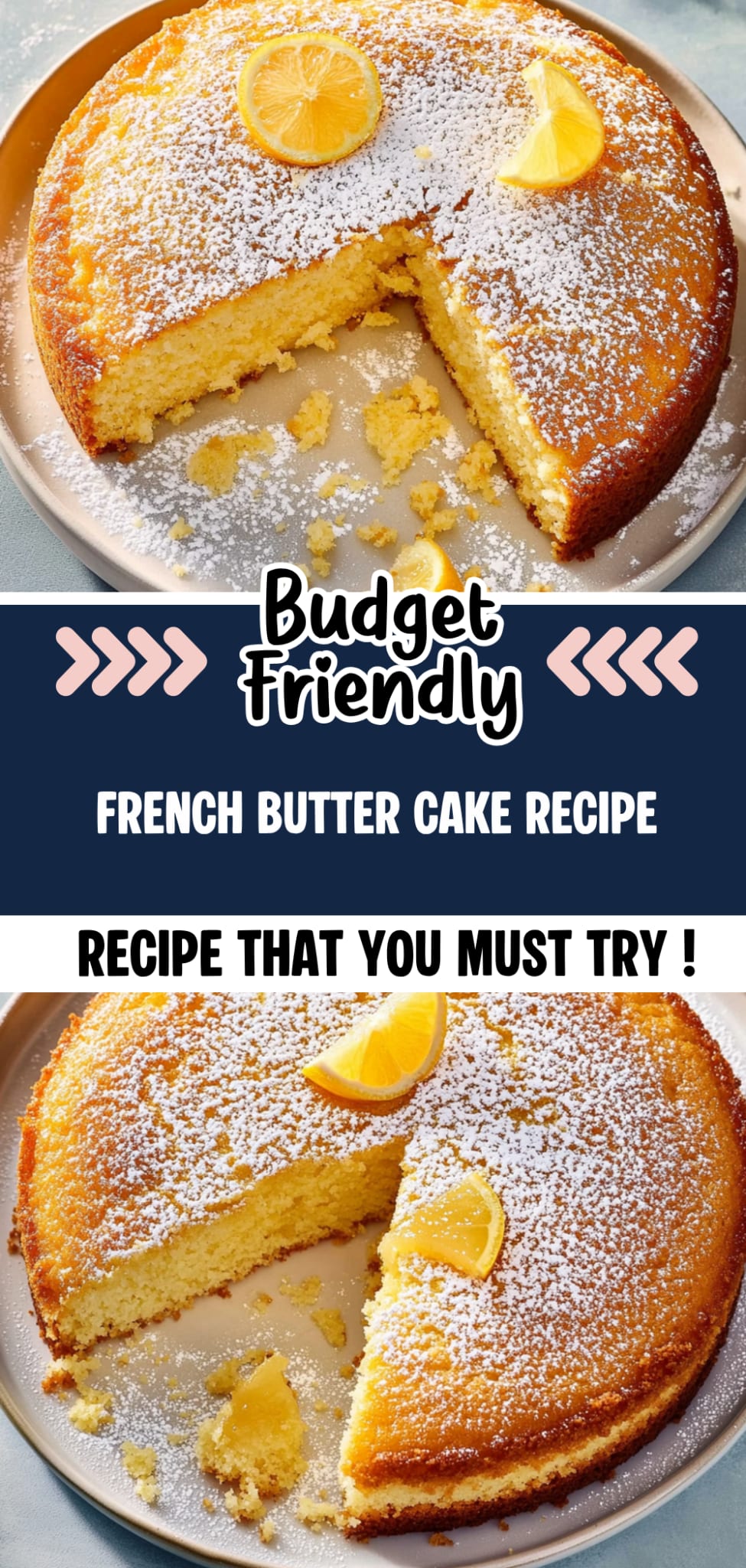
Imagine slicing into a golden-brown French Butter Cake, its tender crumb giving way to a rich, buttery interior that practically melts in your mouth. The air is infused with the warm aroma of vanilla and caramelized edges, creating an inviting backdrop for any gathering or quiet evening at home. This cake is not just a dessert; it embodies comfort and elegance, perfect for celebrating life’s simple pleasures.
What truly sets this French Butter Cake Recipe apart is its simplicity, allowing quality ingredients like real butter and fresh eggs to shine through. A gentle folding technique ensures a light texture while maintaining that decadent flavor profile, making it an ideal companion to a dusting of powdered sugar or a dollop of whipped cream. Join in the joy of baking this delightful cake, and let it become a cherished addition to your culinary repertoire.
Why You’ll Love This French Butter Cake
You’ll fall head over heels for this French Butter Cake because it delivers a delightful balance of rich, buttery flavor and an incredibly tender crumb, making each bite a melt-in-your-mouth experience. The generous use of unsalted butter and room temperature eggs creates a luxurious texture, while the hint of vanilla adds a warm aroma that fills your kitchen as it bakes. Plus, this recipe is surprisingly easy to whip up, allowing you to impress family and friends without spending hours in the kitchen. Whether it’s for a special occasion or a simple weeknight dessert, this cake is an irresistible indulgence that you’ll want to savor again and again. So why wait? Grab your ingredients and start baking this heavenly treat tonight!
What Kind of Butter Should I Use?
For this French Butter Cake, it’s essential to use unsalted butter. Unsalted butter allows you to control the amount of salt in your recipe, ensuring a perfect balance of flavors in the cake. The high fat content in unsalted butter contributes to the rich and tender texture that makes this cake so delightful. While some may opt for salted butter as an alternative, it can lead to unexpected variations in flavor and saltiness; if you do choose salted butter, just reduce the added salt by half to maintain the cake’s intended taste.
Gather These Ingredients
Each ingredient in this dish plays an essential role in flavor and texture. Here’s what you’ll need:
1 cup unsalted butter (softened): Provides a rich, creamy base that enhances the cake’s moisture.
1 cup granulated sugar: Sweetens the cake while contributing to its tender crumb.
4 large eggs (room temperature): Binds the ingredients together and adds richness to the batter.
2 cups all-purpose flour (sifted): Forms the structure of the cake for a light and airy texture.
1 tbsp baking powder: Helps the cake rise, creating a fluffy interior.
1 tsp vanilla extract: Infuses a warm, aromatic flavor that complements the butter.
- 1/2 tsp salt: Balances sweetness and enhances overall flavor depth.
How To Make This Recipe
Preheat and Prepare the Pan
Preheat the oven to 350°F (175°C) and prepare your cake pan by greasing it with butter or cooking spray, then dusting it with flour. This step is crucial for ensuring that your cake releases easily after baking. The 9-inch round cake pan is ideal for achieving an even bake and a lovely shape.
Cream Butter and Sugar
In a mixing bowl, combine the softened unsalted butter and granulated sugar. Using a hand mixer or stand mixer, beat them together until the mixture is light and fluffy, which should take about 3-5 minutes. This process incorporates air into the batter, giving your cake a tender crumb.
Incorporate the Eggs
Add the room temperature eggs one at a time to the creamed mixture, mixing well after each addition. This gradual incorporation will help maintain the emulsion and ensure a smooth batter. Look for a shiny texture as you mix; this indicates that the eggs are fully combined.
Add Vanilla Extract
Stir in the vanilla extract to enhance the flavor profile of your cake. Mix until just combined; this step adds depth to your cake without overpowering its buttery richness. The aroma of vanilla should fill the kitchen as you incorporate it.
Combine Dry Ingredients
In a separate bowl, whisk together the sifted all-purpose flour, baking powder, and salt until evenly mixed. Sifting helps aerate the flour and removes any lumps, resulting in a lighter cake texture. Set this bowl aside as you prepare to add it to your wet ingredients.
Mix Wet and Dry Ingredients
Gradually add the dry flour mixture to the wet ingredients while mixing on low speed until just combined. Be careful not to overmix; you want to see some small pockets of flour remaining for a tender cake. The batter should be thick and slightly sticky at this point.
Pour Batter into Pan
Pour the prepared batter into your greased and floured cake pan, using a spatula to smooth out the top evenly. This ensures that your cake rises uniformly during baking. Aim for an even layer across the surface to avoid any doming while baking.
Bake Until Golden
Place the cake pan in your preheated oven and bake for 40-45 minutes. Keep an eye on it; when it’s deeply golden on top, insert a toothpick into the center—if it comes out clean or with just a few crumbs attached, your cake is ready.
Cool Before Serving
Once baked, allow your French Butter Cake to cool in the pan for about 10 minutes before transferring it to a wire rack. Let it cool completely on the rack so that air can circulate around it, preventing sogginess at the bottom. Enjoy this rich treat once it’s cooled!
How to Serve and Store French Butter Cake
This French Butter Cake serves 4 and is best enjoyed warm with a dusting of powdered sugar or a dollop of whipped cream. Pair it with fresh berries, like strawberries or raspberries, to add a burst of color and acidity that beautifully complements the cake’s rich buttery flavor. For an elegant presentation, serve it on a vintage plate with a sprig of mint for a touch of freshness.
To store leftovers, keep them in an airtight container in the refrigerator for up to 3 days. When reheating, pop individual slices in the microwave for about 10-15 seconds; this gentle warming helps maintain the cake’s moist texture without compromising its buttery richness. While this cake can be frozen, be aware that freezing may slightly alter its texture upon thawing, so it’s best enjoyed fresh when possible.
What to Serve With French Butter Cake
Lemon Garlic Roasted Potatoes
The zesty and herbaceous notes of lemon garlic roasted potatoes provide a delightful contrast to the rich, buttery flavor of the cake.
Steamed Broccoli with Almonds
Lightly steamed broccoli topped with crunchy almonds adds a fresh and nutty element that beautifully balances the cake’s sweetness.
Sourdough Bread
The tangy flavor and chewy texture of sourdough bread are perfect for enjoying alongside the moist richness of French butter cake.
Classic Caesar Salad
A crisp Caesar salad with its creamy dressing and crunchy croutons offers a refreshing bite that perfectly offsets the dense cake.
Creamed Spinach
This velvety side dish brings a luxurious creaminess that harmonizes with the cake’s buttery goodness, making every bite indulgent.
Poached Pears in Red Wine
These sweet, spiced poached pears add an elegant touch and their juicy softness complements the dense texture of the cake splendidly.
Frequently Asked Questions
Can I use salted butter instead of unsalted butter?
Yes, you can use salted butter in place of unsalted butter, but be sure to reduce the amount of added salt in the recipe by half to balance the flavors. Unsalted butter is preferred for better control over the saltiness of your cake.
Is there a gluten-free option for this French Butter Cake?
Absolutely! You can substitute all-purpose flour with a gluten-free flour blend that measures cup-for-cup. Just ensure that the blend contains xanthan gum or add it separately for better texture.
Can I make this cake ahead of time and freeze it?
Yes, this cake freezes well. Once it’s completely cooled, wrap it tightly in plastic wrap and aluminum foil before placing it in the freezer. When you’re ready to enjoy it, let it thaw in the refrigerator overnight.
How can I tell when the cake is done baking?
The cake is done when a toothpick inserted into the center comes out clean or with just a few crumbs attached. Keep an eye on it during the last few minutes of baking to avoid overcooking.
What variations can I try to change up the flavor?
You can enhance the flavor by adding lemon zest or almond extract for a unique twist. Additionally, incorporating mini chocolate chips or chopped nuts into the batter will add delightful textures and flavors to your cake.
One Last Thing
There’s something truly special about the rich, buttery flavor of a French Butter Cake that makes it a delightful treat for any occasion. If you enjoyed this, be sure to explore other delectable desserts like [Lemon Poppy Seed Muffins] or [Classic Vanilla Bean Pound Cake] to keep the sweetness flowing. We’d love for you to save this French Butter Cake Recipe on Pinterest and share your baking adventures with us in the comments!
Leave a Comment