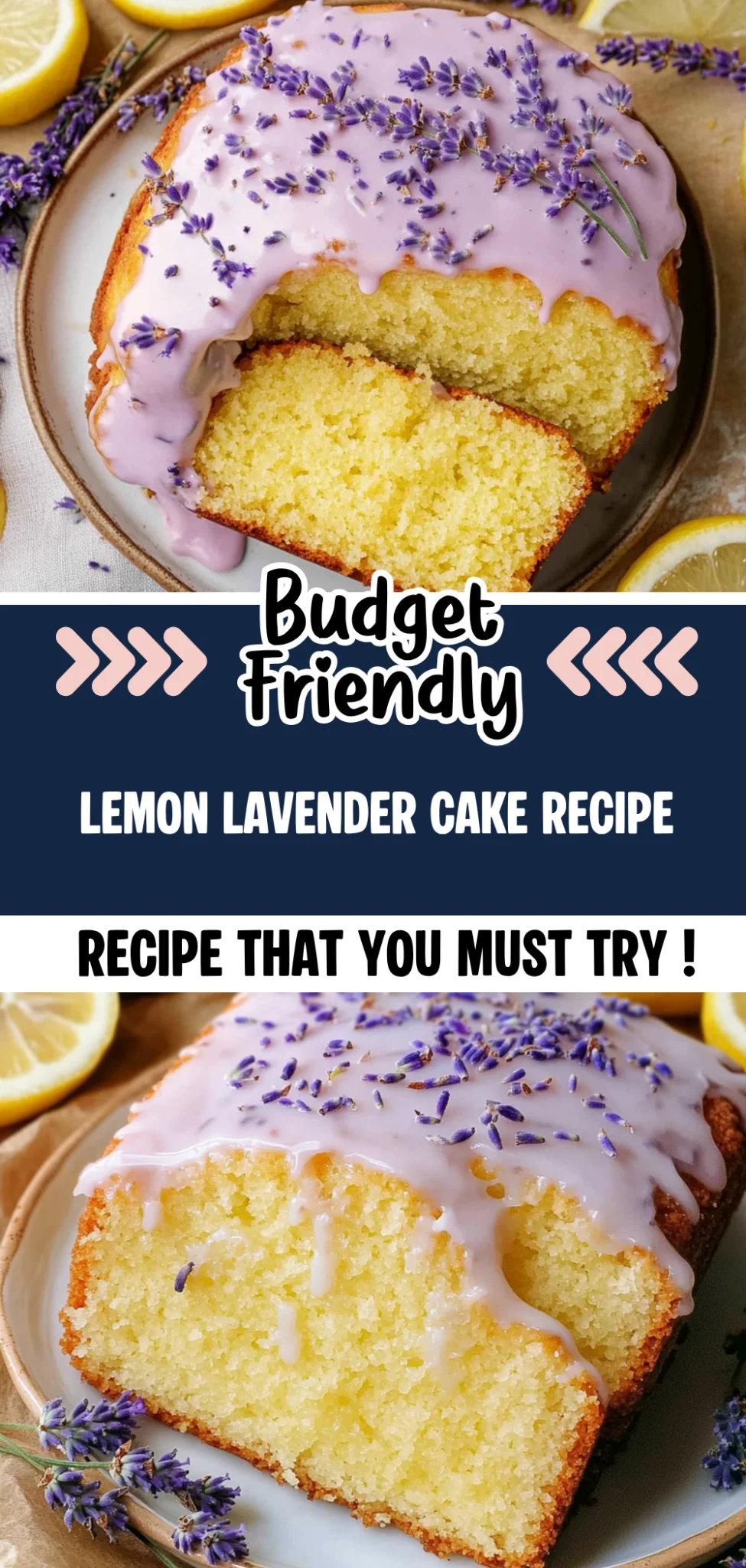
With its delicate crumb and enchanting aroma, the Lemon Lavender Cake is a true celebration of springtime. The bright citrus notes perfectly intertwine with the floral essence of lavender, creating a cake that is not only visually stunning but also a feast for the senses. Perfect for gatherings or quiet moments at home, it brings an elegant touch to any occasion, transforming simple moments into cherished memories.
What sets this Lemon Lavender Cake Recipe apart is its unique combination of flavors and the gentle infusion of lavender, which elevates traditional lemon cake into something truly extraordinary. Each slice reveals a luminous yellow hue, inviting you to indulge in its moist texture topped with a light lavender-infused glaze. As the cake cools on your countertop, the room fills with an irresistible fragrance that beckons everyone to gather around and share in this delightful treat.
Why You’ll Love This Lemon Lavender Cake
You’ll adore this Lemon Lavender Cake for its perfect harmony of bright citrus and delicate floral notes; the combination of fresh lemon juice and zest with culinary lavender creates an enchanting aroma that fills your kitchen as it bakes. The rich, buttery texture—thanks to the generous use of unsalted butter and buttermilk—ensures each slice melts in your mouth, while the lightness from the eggs adds a delightful lift. Topped with a luscious frosting that mirrors the cake’s flavors, this dessert is visually stunning and irresistibly delicious, making it an ideal centerpiece for your spring celebrations. With its exquisite taste and elegant presentation, you’ll find yourself eager to whip up this Lemon Lavender Cake Recipe again and again!
What Kind of All-Purpose Flour Should I Use?
For this Lemon Lavender Cake, it’s best to use a high-quality all-purpose flour, ideally with a protein content of around 10-12%. This type of flour strikes the perfect balance between providing structure and tenderness, ensuring that your cake rises beautifully while still being moist. Avoid using whole wheat or cake flour for this recipe, as whole wheat may result in a denser texture, and cake flour could lead to a cake that is too soft and fragile. If you only have access to a different type of flour, such as bread flour, you can use it but consider reducing the amount slightly and adding an extra egg to maintain moisture and achieve the desired fluffiness.
Ingredients You’ll Need
Each ingredient in this dish plays an essential role in flavor and texture. Here’s what you’ll need:
- 2 cups all-purpose flour: Provides structure and a tender crumb.
- 1 cup granulated sugar: Sweetens the cake while helping it to rise.
- 1 cup unsalted butter (softened): Adds richness and moisture for a velvety texture.
- 4 large eggs: Binds the ingredients together and adds stability.
- 1 cup buttermilk: Contributes moisture and a slight tang that enhances flavor.
- 2 tablespoons fresh lemon juice: Brightens the cake with zesty citrus notes.
- 1 tablespoon lemon zest: Infuses the cake with aromatic lemon fragrance.
- 1 teaspoon dried lavender (culinary grade): Adds a floral note that complements the lemon.
- 1 teaspoon baking powder: Helps the cake rise, creating a light texture.
- 1 teaspoon baking soda: Works with the acidity of buttermilk to leaven the cake.
- 1/2 teaspoon salt: Balances sweetness and enhances all flavors.
How To Make This Recipe
Preheat the Oven and Prepare Pans
Preheat your oven to 350°F (175°C). While it heats up, grease and flour two 9-inch round cake pans to ensure your cake layers release easily after baking. This preparation step is crucial for a smooth baking process.
Cream Butter and Sugar
In a mixing bowl, cream together the softened unsalted butter and granulated sugar until the mixture is light and fluffy, which should take about 3-5 minutes. This aeration will help create a tender cake texture, so make sure to properly incorporate air into the mixture.
Incorporate Eggs
Add the four large eggs one at a time, mixing well after each addition. This gradual incorporation helps maintain the emulsion of the batter, ensuring that your cake has a lovely structure and moistness when baked.
Mix in Wet Ingredients
Stir in the buttermilk, fresh lemon juice, lemon zest, and dried lavender until everything is well combined. The fragrant lavender and zesty lemon will infuse your cake with delightful flavors. Take care not to overmix; just blend until smooth.
Combine Dry Ingredients
In another bowl, whisk together the all-purpose flour, baking powder, baking soda, and salt. This step ensures that your leavening agents are evenly distributed throughout the flour for consistent rising during baking.
Blend Wet and Dry Ingredients
Gradually add the dry ingredients to the wet mixture, mixing until just combined. Avoid overmixing; you want to see a few small lumps in the batter for optimal texture.
Divide Batter into Pans
Evenly divide the batter between the prepared cake pans. Use a spatula to smooth out the tops if necessary. Ensuring equal portions will lead to even baking and perfectly shaped layers.
Bake Until Done
Place the pans in the preheated oven and bake for 25-30 minutes. The cakes are done when they are deeply golden and a toothpick inserted into the center comes out clean or with a few moist crumbs attached.
Cool Cakes Completely
Allow the cakes to cool in their pans for about 10 minutes before transferring them to a cooling rack. Let them cool completely before frosting; this step is vital as warm cakes can cause frosting to melt and slide off.
Beat Softened Butter for Frosting
In a mixing bowl, beat together 1 cup of softened unsalted butter until creamy. This should take about 2-3 minutes; you’ll know it’s ready when it appears smooth and slightly paler in color.
Add Powdered Sugar Gradually
Slowly add in 4 cups of powdered sugar while mixing on low speed until fully combined. This gradual addition prevents sugar from flying everywhere while ensuring an even sweetness throughout your frosting.
Incorporate Flavorings
Mix in 2 tablespoons of fresh lemon juice, lemon zest, and dried lavender until well incorporated into your frosting. The vibrant flavors will enhance every bite of this decadent layer cake.
Adjust Consistency with Milk
Add milk as needed to achieve your desired frosting consistency—thicker for spreading or thinner if you prefer piping decorations. Aim for a smooth texture that holds its shape but is easy enough to work with.
Layer Cake on Serving Plate
Once your cakes have cooled completely, place one layer on a serving plate as your base. Ensure it’s stable; gently press down if necessary so it doesn’t wobble during frosting.
Frost First Cake Layer
Spread an even layer of frosting over the top of the first cake layer using an offset spatula. This creates a delicious barrier that enhances flavor contrast between layers while also providing moisture.
Stack Second Layer
Carefully place the second cake layer on top of the frosted first layer. Align it perfectly so that both layers match up well; this will give your final cake a beautiful presentation.
Frost Top and Sides of Cake
Frost both the top and sides of your stacked cake using remaining frosting. Aim for an even coat throughout for that classic look; feel free to use a spatula or knife for smooth edges.
Decorate as Desired
Finish by decorating with additional lemon zest or lavender if desired for extra flair. These final touches not only enhance visual appeal but also intensify those lovely citrus and floral notes!
How to Serve and Store Lemon Lavender Cake
This Lemon Lavender Cake serves 8 and is a delightful centerpiece for any spring gathering. For an eye-catching presentation, consider dusting the top with powdered sugar and garnishing it with fresh lavender sprigs or lemon slices. Pair it with a dollop of whipped cream or a scoop of vanilla ice cream to enhance the cake’s fragrant flavors while providing a creamy texture that complements its lightness.
To store leftovers, keep the cake in an airtight container in the refrigerator for up to 5 days. When you’re ready to enjoy it again, gently reheat individual slices in the microwave for about 10-15 seconds, just enough to take the chill off without compromising the cake’s moist texture. While this cake is best enjoyed fresh, it can be frozen for up to 3 months; however, be aware that freezing may slightly alter its fluffy consistency upon thawing.
Herb Roasted Potatoes
Crispy on the outside and fluffy on the inside, herb roasted potatoes enhance the cake’s floral notes with their earthy flavors.
Honey Glazed Carrots
Sweet and tender, honey glazed carrots provide a vibrant contrast to the lemony brightness of the cake while echoing its sweetness.
Fresh Arugula Salad
A peppery arugula salad dressed with lemon vinaigrette offers a refreshing bite that beautifully balances the rich, buttery cake.
Lavender Honey Scones
These delightful scones mirror the lavender in the cake while providing a flaky texture that complements its moistness perfectly.
Lemon Butter Pasta
Light and zesty, lemon butter pasta is a comforting dish that enhances the citrus flavor of the cake without overpowering it.
Grilled Asparagus
Charred and smoky, grilled asparagus adds a savory touch that contrasts nicely with the sweet and fragrant elements of the cake.
Frequently Asked Questions
Can I use almond flour instead of all-purpose flour?
No, almond flour cannot be directly substituted for all-purpose flour in this recipe as it has different properties. If you’re looking for a gluten-free option, you could try a gluten-free all-purpose blend that contains xanthan gum, which will help the cake rise properly.
Is there a dairy-free alternative for buttermilk in this recipe?
Yes, you can easily make a dairy-free version of buttermilk by combining non-dairy milk (like almond or soy milk) with a tablespoon of lemon juice or vinegar. Let it sit for about 5 minutes before using it in the recipe.
Can I make this cake ahead of time and freeze it?
Absolutely! You can bake the cake layers in advance and allow them to cool completely before wrapping them tightly in plastic wrap. They can be frozen for up to three months. Thaw them in the refrigerator overnight before frosting.
How do I know when my cake is done baking?
You can check for doneness by inserting a toothpick into the center of the cake; if it comes out clean or with a few moist crumbs, your cake is ready. Baking times may vary slightly based on your oven, so it’s important to keep an eye on it towards the end of the baking time.
Can I adjust the level of lavender flavor in this cake?
Yes, you can increase or decrease the amount of dried lavender according to your taste preference. Just be cautious not to add too much, as lavender can become overpowering. Start with 1 teaspoon and adjust from there if you’d like a more pronounced flavor.
Conclusion
This Lemon Lavender Cake is not just a dessert; it’s a fragrant celebration of spring that will surely impress your friends and family with its delightful flavors. For more sweet inspirations, try pairing it with a refreshing [Lemon Blueberry Tart] or a cozy [Honey Vanilla Cupcakes]. We’d love for you to save this recipe on Pinterest and share your baking adventures with us in the comments!

Leave a Comment